5 EVs With Class-Leading Tech & Features

Ireland’s electric car market has moved well beyond the early adopter stage. For many buyers, the conversation is no longer just about range or price, it’s about technology, software and the overall digital experience inside the car.
From next-generation 800-volt charging systems to new AI-powered infotainment platforms and advanced driver assistance systems, 2026 is shaping up to be a major year for electric vehicles packed with genuinely impressive technology.
Here are five EVs either on sale now or arriving in the Irish market during 2026 that stand out for their class-leading tech and forward-thinking features.
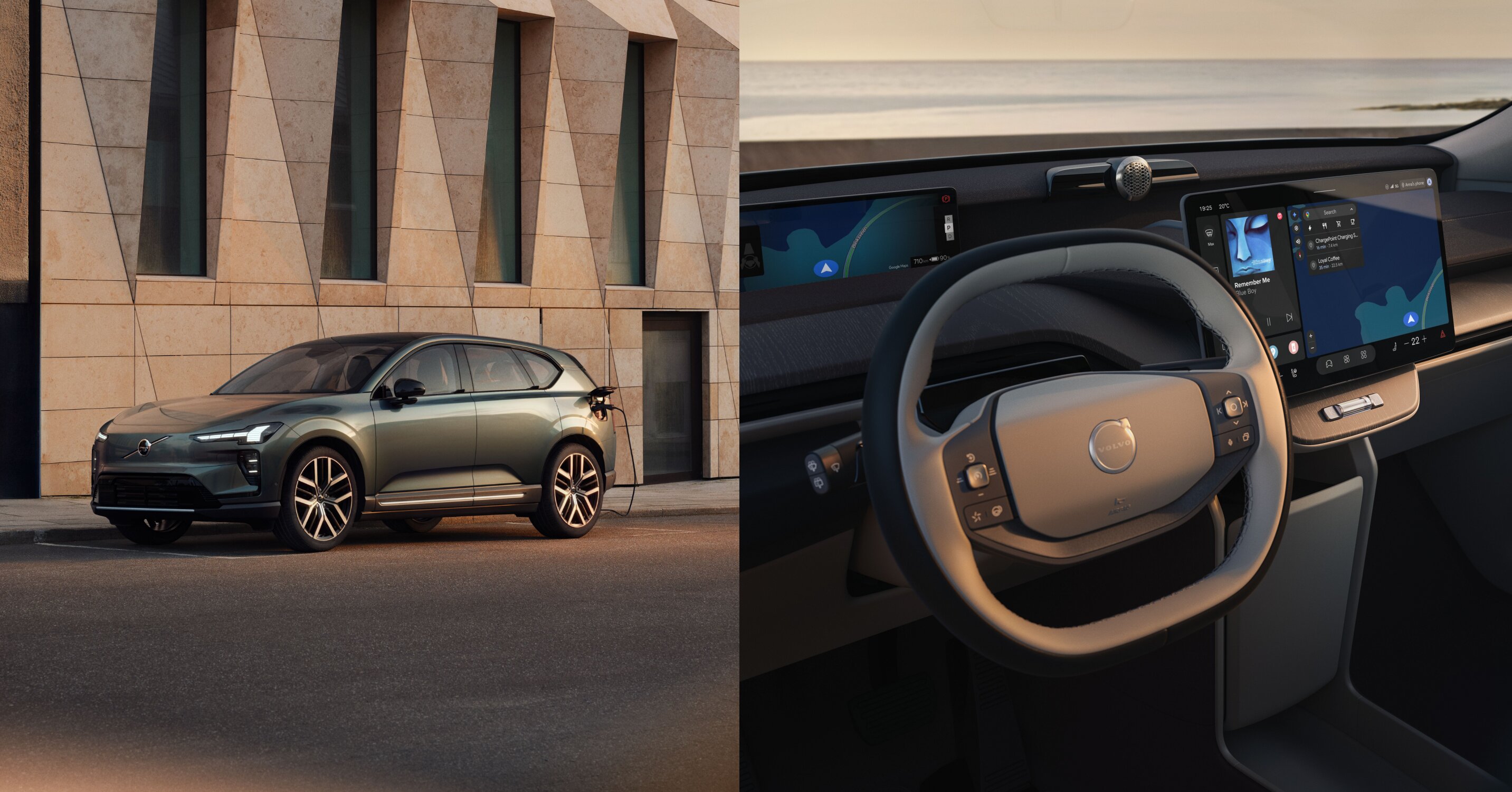
Volvo EX60 - AI Power Meets Next-Generation Safety
Volvo has always been synonymous with safety, but the upcoming EX60 shows how the brand is pushing deeper into software and artificial intelligence to take that reputation even further.
At the heart of the EX60 is a powerful computing architecture built around the NVIDIA DRIVE AGX Orin platform, capable of performing around 250 trillion operations per second. That immense processing power allows the car to manage everything from advanced driver assistance systems to energy management and sensor analysis in real time.
Working alongside this system is Qualcomm’s Snapdragon Cockpit Platform, delivering Volvo’s fastest and most responsive infotainment experience to date. Maps load instantly, screens respond smoothly and voice assistants can understand natural conversations far more effectively than previous systems.
Safety is further enhanced by Volvo’s HuginCore sensing system, which constantly monitors the world around the car through a network of cameras, sensors and radar. This deeper situational awareness allows the EX60 to anticipate potential hazards earlier and assist the driver more intelligently.
What makes the system particularly interesting is that it improves over time. Volvo vehicles share anonymised data globally, allowing the software to learn from real-world scenarios and continuously refine its safety capabilities through software updates.
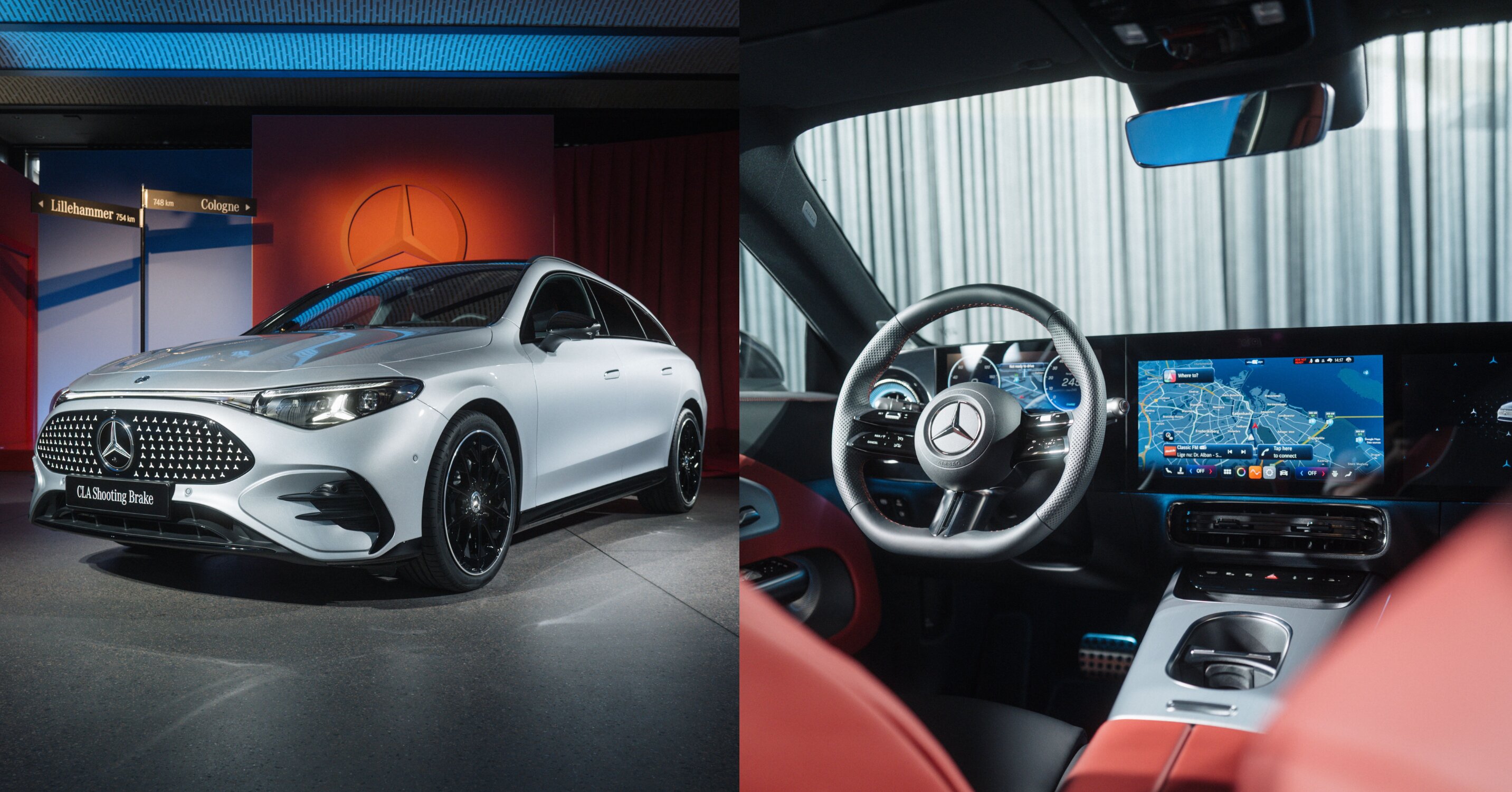
Mercedes-Benz CLA Electric - Efficiency Meets Software Innovation
The new Mercedes-Benz CLA Electric signals a major shift in the brand’s approach to EV technology, combining efficiency-focused engineering with a completely new software platform.
Built on an 800-volt electrical architecture, the CLA is designed to support ultra-fast charging while improving battery efficiency and energy density. Mercedes has also introduced new battery cell chemistry with reduced cobalt content, helping lower the environmental impact of production.
However, the real story sits beneath the surface. The CLA is the first vehicle to run on MB.OS (Mercedes-Benz Operating System), a fully in-house software platform that integrates infotainment, vehicle control systems and energy management into one central architecture.
The interface evolves the familiar MBUX system with a new Zero Layer design, placing the most commonly used features front and centre. Built on the Unity game engine, the system delivers faster graphics, smoother animations and a far more fluid user experience.
For Irish buyers looking for premium tech in a more compact executive EV, the CLA Electric is shaping up to be one of the most technologically advanced cars in its class.
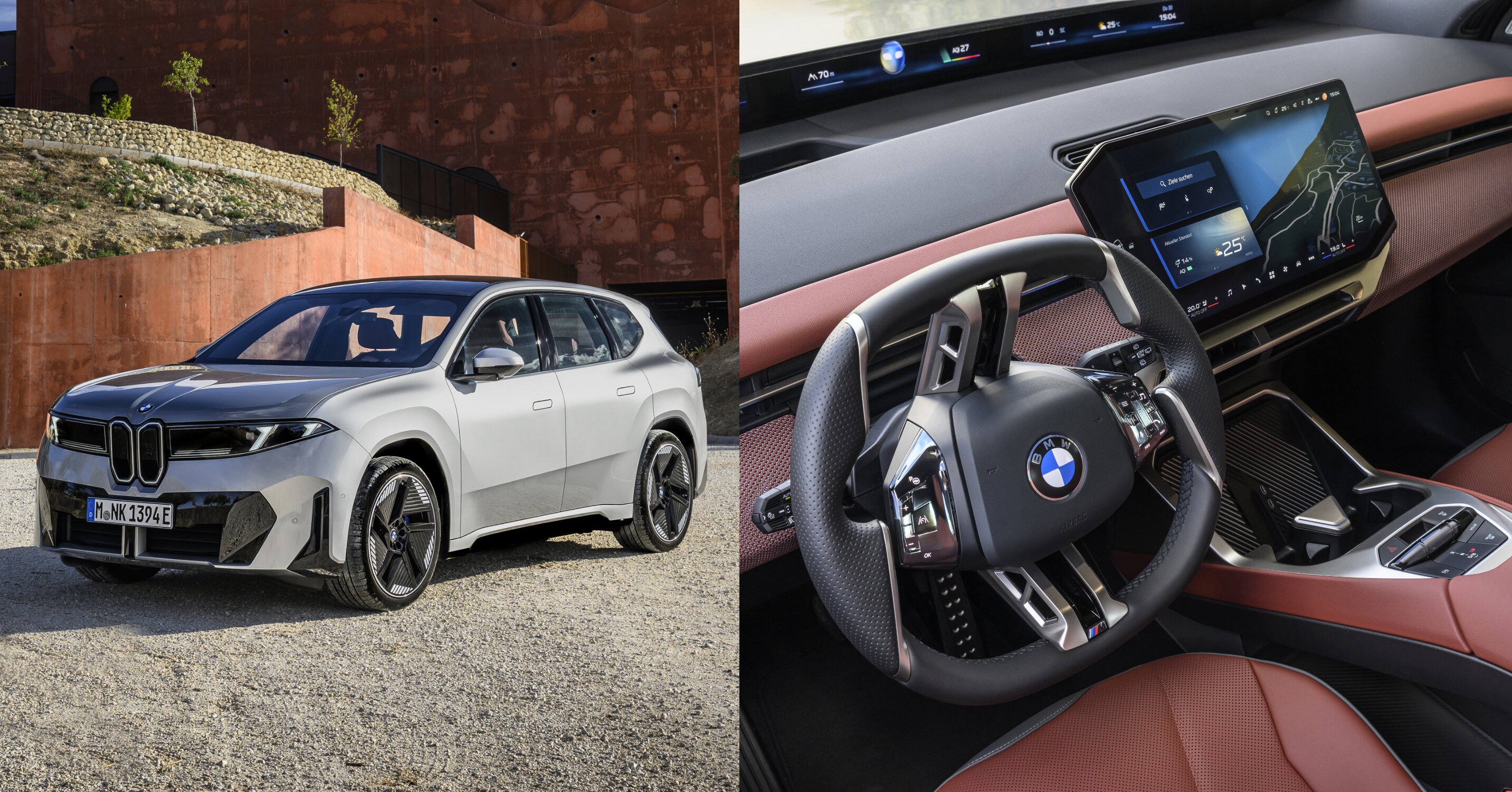
BMW iX3 (Neue Klasse) - A Complete Technology Reset
BMW’s upcoming Neue Klasse platform represents one of the most significant technological shifts in the company’s history, and the new iX3 will be the first production model to showcase it. Rather than simply updating existing systems, BMW has effectively rebuilt the entire digital and electrical architecture from the ground up.
One of the most visible changes is the Panoramic iDrive system, which combines a wide “Panoramic Vision” display stretching across the base of the windscreen with a central touchscreen and an entirely new interaction concept.
Behind the scenes, BMW’s Gen6 eDrive platform introduces 800-volt charging capability, improved battery efficiency and support for future features like bidirectional charging. Range figures are expected to reach up to 805km (WLTP), which would place the iX3 among the longest-range electric SUVs in its class.
Meanwhile, a dedicated high-performance computing system, often referred to internally as the “superbrain of automated driving”, controls the vehicle’s automated driving and parking functions. With around 20 times the processing power of traditional control units, it enables a new level of driver assistance capability.
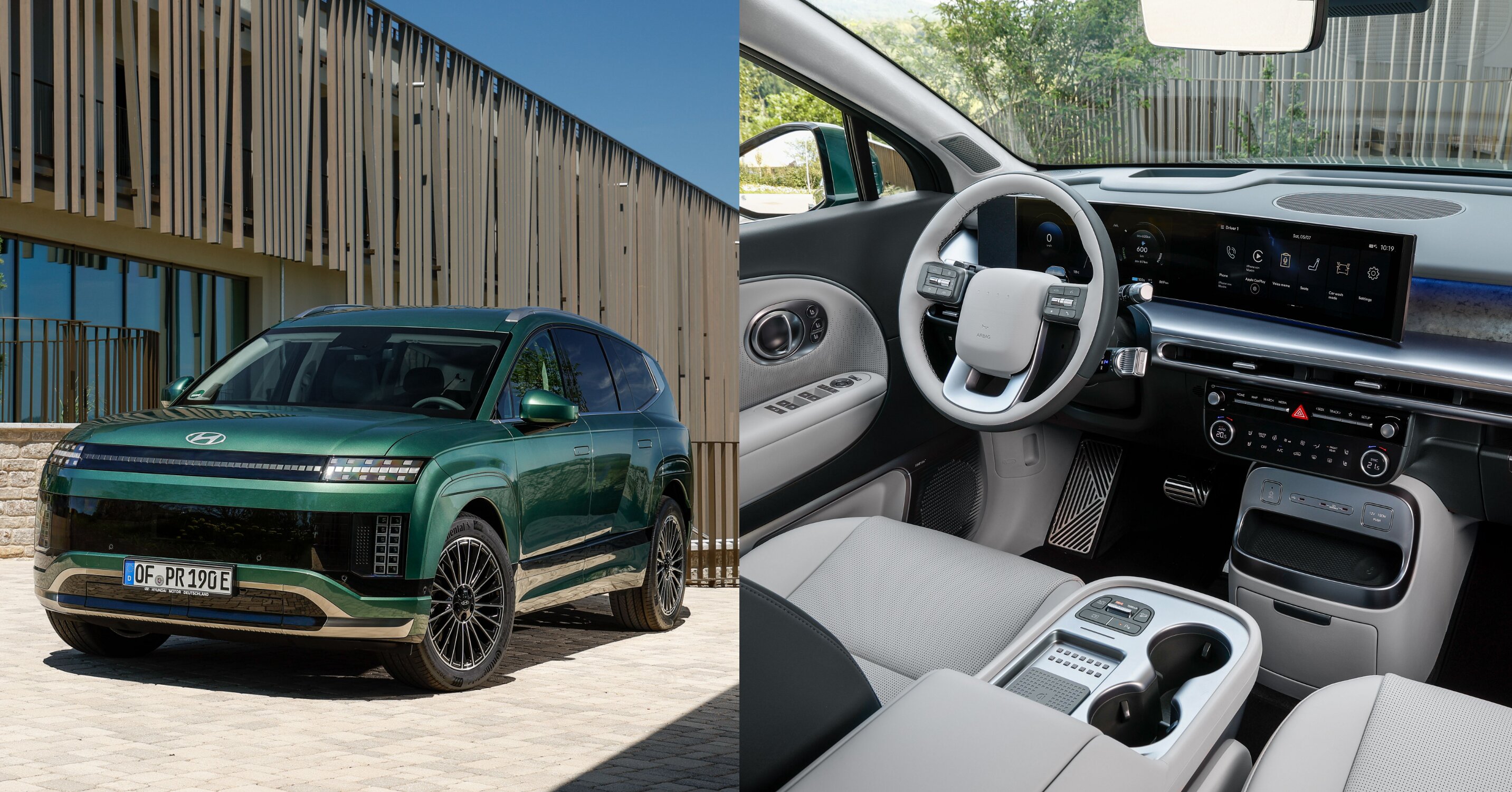
Hyundai IONIQ 9 - Big EV, Smart Charging
Hyundai has been consistently strong on real-world usability, and the IONIQ 9 doubles down with big-SUV comfort plus genuinely modern charging flexibility. One particularly clever feature is its ability to work with both 400-volt and 800-volt charging infrastructure, meaning the vehicle can adapt to whichever charger is available. This helps reduce the frustration drivers sometimes experience when arriving at a busy charging hub.
Inside, Hyundai has created a spacious cabin centred around a large curved digital display that combines the driver information and infotainment screens into one seamless interface. The IONIQ 9 also brings a unique feature aimed at long family journeys: second-row seats that can swivel 180 degrees when the vehicle is parked, allowing passengers to face each other and create a more social cabin environment.
For buyers looking for a large electric SUV where technology genuinely improves comfort and usability, the IONIQ 9 offers a refreshing alternative to more traditional luxury models.
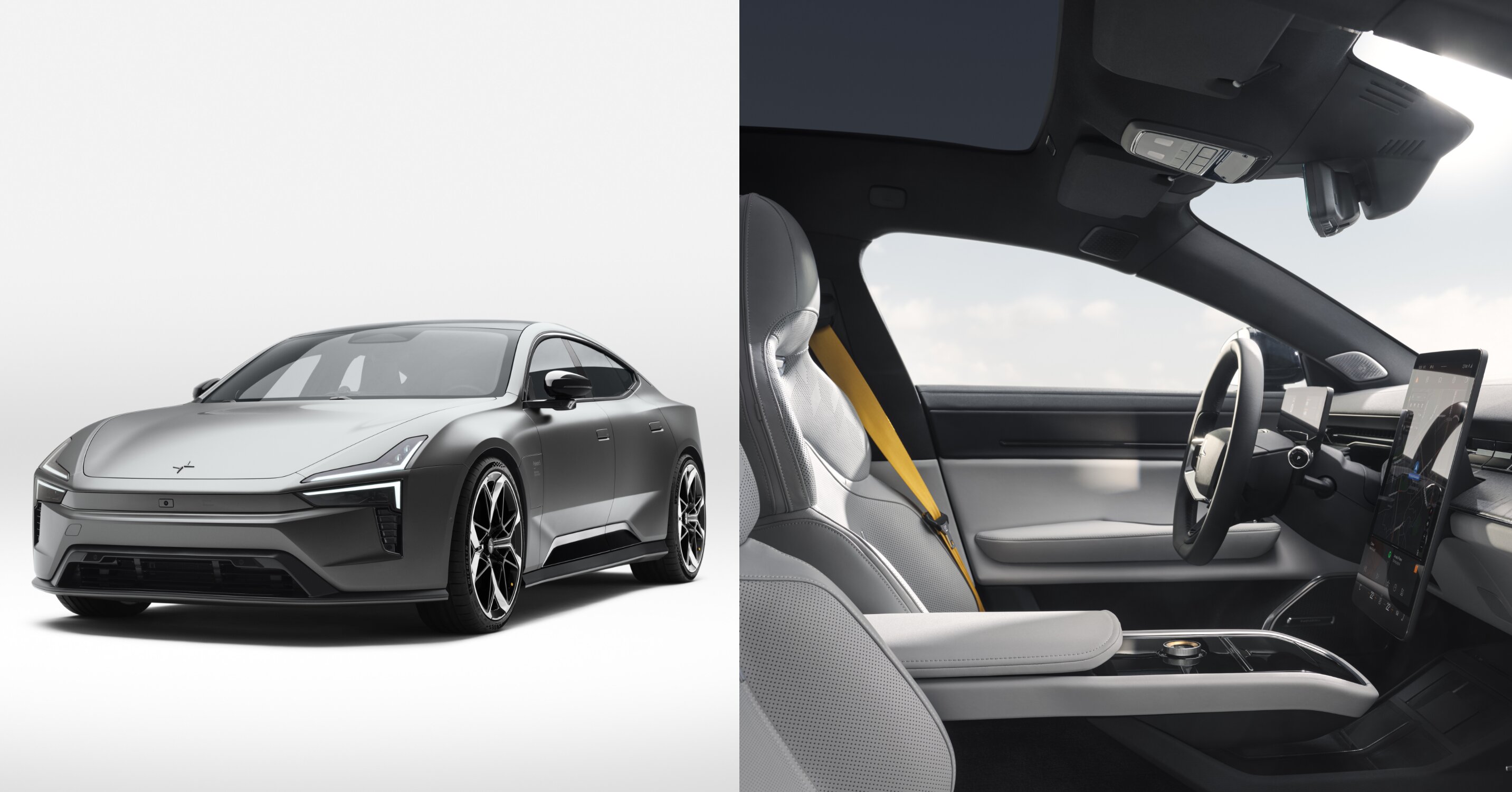
Polestar 5 - A Flagship Built Around Performance and Technology
Polestar’s upcoming flagship, the Polestar 5, is expected to arrive in Ireland around the 262 registration period and represents the brand’s most ambitious EV yet. Designed as a high-performance electric grand tourer, the Polestar 5 combines cutting-edge hardware with a clean, minimalist user interface that has become a hallmark of the brand.
The car integrates Google Gemini AI as its intelligent voice assistant, allowing drivers to interact with the vehicle using natural speech. From adjusting climate settings to planning a new restaurant visit, the system can interpret complex requests and connect with favourite apps to deliver helpful responses.
Inside the cabin, Polestar has partnered with Bowers & Wilkins to deliver a premium 21-speaker sound system producing up to 1,610 watts of audio power. The system has been tuned to take advantage of the car’s interior architecture to deliver studio-quality sound.
With expected pricing north of €130,000, the Polestar 5 sits firmly in flagship territory. However, when it comes to advanced EV hardware, performance technology and software integration, it will likely serve as a benchmark for what high-end electric cars can offer.
Nevo Takeaway
From AI-powered safety systems to next-generation software platforms and ultra-fast charging architectures, these five EVs highlight how rapidly electric car technology is evolving.
What’s particularly interesting is that innovation is no longer confined to luxury models. Buyers across multiple segments, from compact executive saloons to large family SUVs, can now access genuinely cutting-edge technology.
As electric mobility continues to grow across Ireland, vehicles like these demonstrate that the future of driving will be defined just as much by software and intelligent systems as it is by motors and batteries.