A Practical Guide to Public EV Charging in Ireland for New Drivers
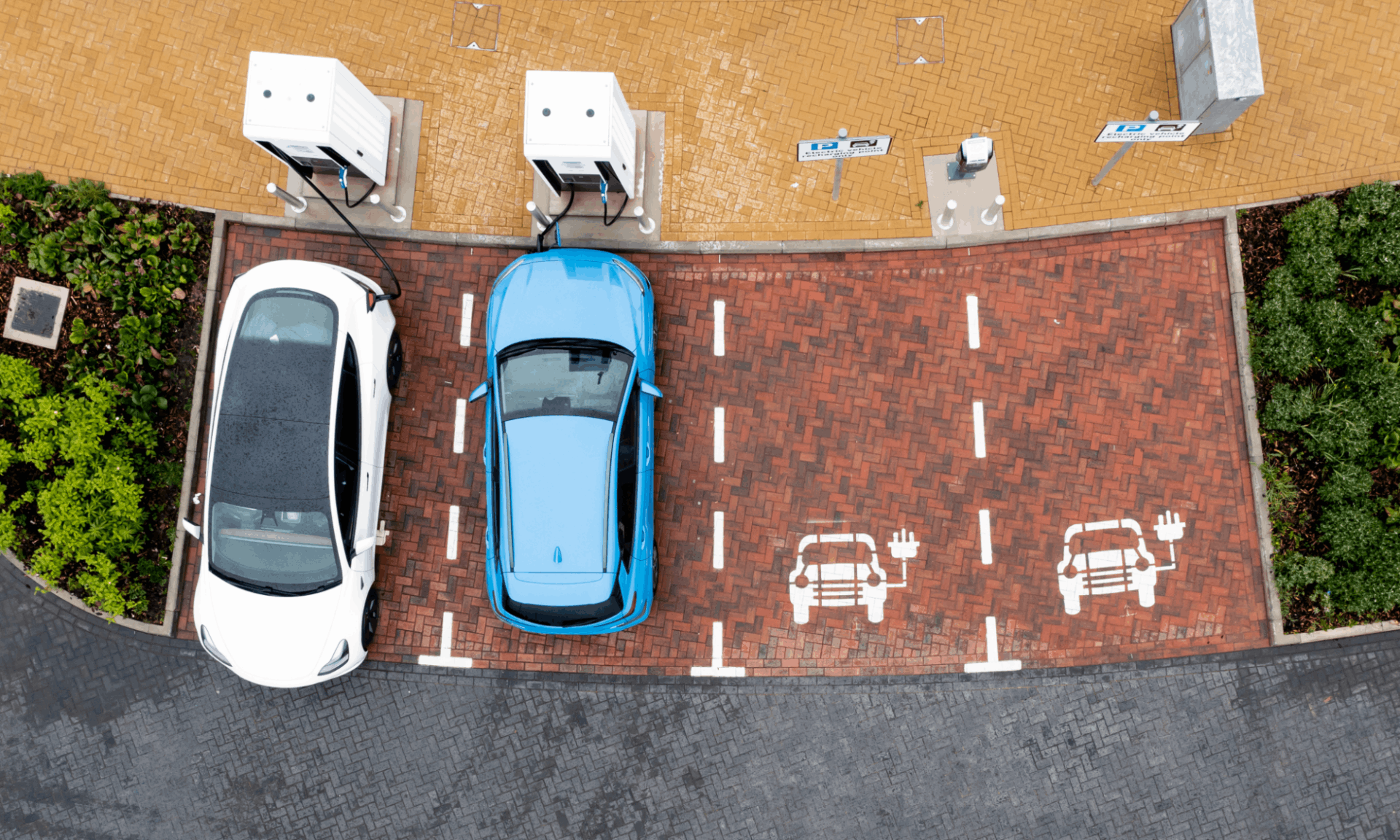
For many first-time EV owners, public charging can feel like the biggest unknown. Different charger types, multiple apps, varying speeds, it can seem complex at first glance. The good news is that most drivers find the learning phase is short. Once you understand the basics, public charging becomes straightforward and predictable.
Here’s how to approach your first few weeks of using Ireland’s public EV charging network with confidence.
Understanding the Different Types of Public Chargers
The first step is knowing which charger suits your situation. If you’re parked for a while, perhaps at a supermarket, shopping centre, or workplace, AC chargers (usually 11–22kW) are often sufficient. They provide steady charging and are ideal for topping up while your car is stationary for an extended period.
For longer trips, DC rapid chargers are more suitable. These typically start around 50kW and extend to high-powered 150kW+ units along major routes. They’re designed for quicker top-ups when you’re travelling further distances.
It’s also important to check your vehicle’s maximum charging capability. Connecting to a high-powered charger won’t necessarily mean faster charging if your car can’t accept that level of output. A quick look at your EV’s specifications can help you make more efficient choices.
Planning Around Busy Charging Times
One concern new EV drivers often mention is the possibility of queues. While high-traffic charging hubs can get busy, timing and preparation usually prevent inconvenience.
Peak usage commonly occurs before and after weekends or during public holidays. Adjusting your charging schedule slightly, even by 30 to 60 minutes, can significantly improve availability.
Most charging apps now provide live status updates, allowing you to see if a charger is available before you arrive. It’s also worth identifying an alternative nearby, as a location just a short distance from a main route can sometimes be less congested.
Setting Up Payment Before You Need It
Payment issues are one of the few things that can disrupt an otherwise smooth charging experience. Preparing in advance avoids this.
Download the primary charging network apps operating in Ireland, including ESB ecar connect, EZO, IONITY, PlugShare, and Zapmap, and complete your account setup before relying on them during a journey.
Many public chargers now accept contactless payments directly, but using apps often provides more detailed charging information and, in some cases, more transparent pricing.
Having more than one payment method configured gives added peace of mind.
Getting to Know Ireland’s EV Charging Networks
Ireland’s public charging infrastructure continues to grow, with each network offering slightly different strengths.
- ESB eCars provide broad nationwide coverage, particularly useful for regional and everyday driving.
- IONITY focuses on high-speed motorway charging, making it well suited for long-distance travel.
- Circle K combines rapid charging with service-station facilities.
- Tesla Superchargers are increasingly accessible to non-Tesla vehicles, although compatibility and pricing vary.
Part of becoming comfortable with public charging is discovering which networks align best with your typical routes.
Why Charging Slows Down: Understanding Charging Curves
A common misconception is that EVs charge at a constant rate. In reality, charging speed changes depending on battery level.
Most EVs accept energy most rapidly when the battery is at a lower state of charge, typically between 10% and 50%. As the battery fills, the system gradually reduces charging speed to maintain efficiency and protect battery health.
This means that charging from 10% to 80% can often take a similar amount of time as charging from 80% to 100%.
For public charging stops, aiming to recharge to around 70–80% before continuing your journey is often the most efficient approach.
Gaining Confidence Through Experience
In your first month of EV ownership, try incorporating public charging into your routine rather than only relying on it when necessary. Testing different networks, observing how your car behaves during charging sessions, and becoming familiar with the process helps build confidence quickly.
Before long, public charging becomes another everyday aspect of EV ownership, practical, predictable, and manageable.
If you’re exploring electric driving further, you can find additional guidance and ownership advice in our collection of EV resources on Nevo.
As always, from the Nevo team, happy motoring.