Electric Car Battery Life: What Every Driver Should Know
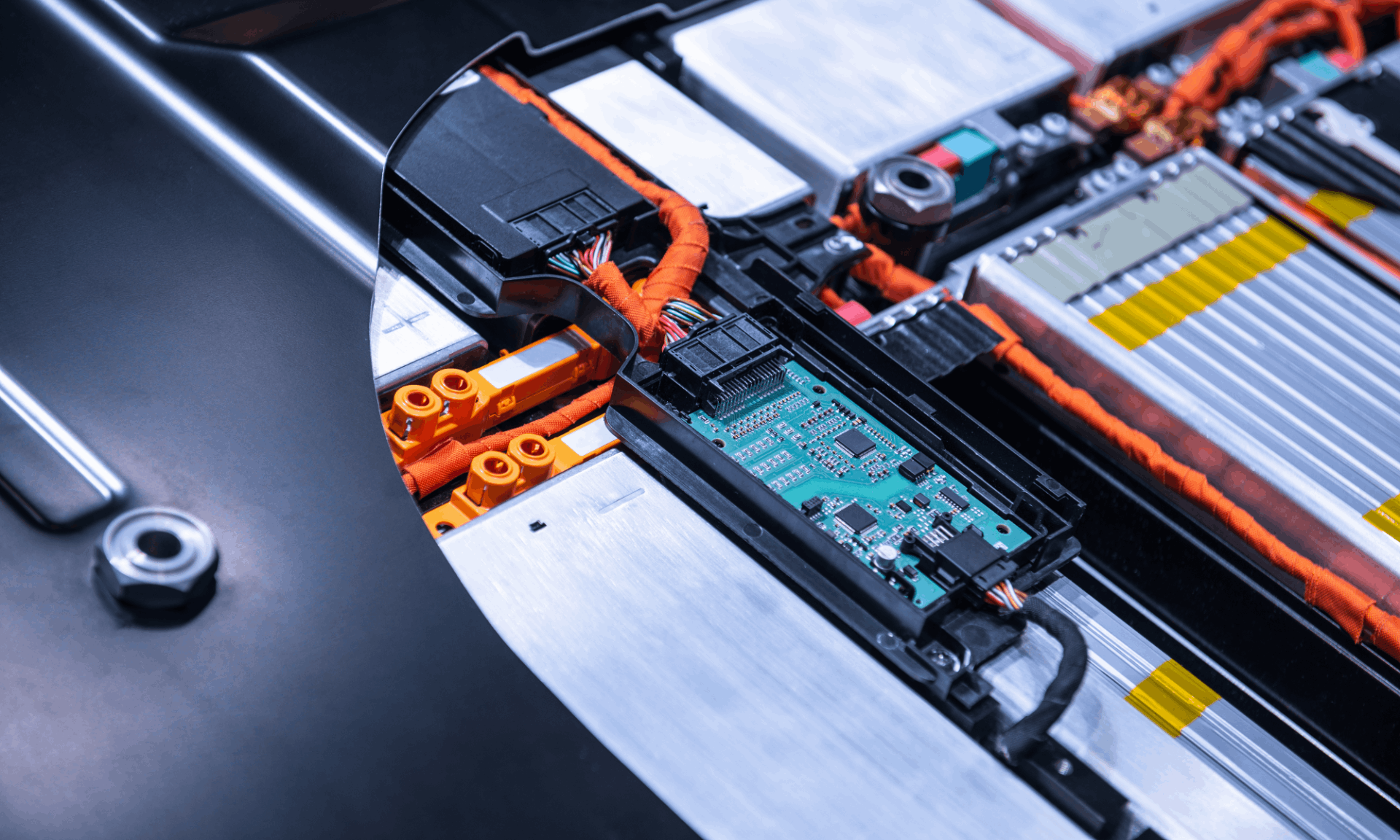
For many people considering the switch to electric. or who’ve recently made it, the battery can feel like the big unknown. It’s often described as the heart of the car, and naturally, it’s where most of the questions arise.
The good news? Modern EV batteries are far more durable and intelligent than most people realise. With a few simple charging habits and a basic understanding of how they work, you can expect strong performance for many years.
Let’s break it down.
How Does an EV Battery Actually Work?
Most electric cars use lithium-ion batteries, similar in chemistry to what you’ll find in your phone or laptop, but engineered on a much larger and more advanced scale.
Inside the battery pack are thousands of cells working together. What makes the difference is the car’s Battery Management System (BMS). This system constantly monitors temperature, charge levels, and overall battery condition, adjusting things automatically to protect long-term health.
In simple terms, your EV is already looking after itself. You don’t need to micromanage it, but good habits can help.
Why Charging Little and Often Makes Sense
One of the biggest myths we hear is that you should charge to 100% every time. In reality, EV batteries prefer consistency over extremes.
Letting the battery run very low and then charging to full on a regular basis isn’t ideal. For most Irish drivers, short, regular top-ups, especially at home, are the better approach.
Plugging in overnight or a few times a week keeps the battery within a comfortable range and fits neatly with typical daily driving distances.
The 20% to 80% Rule - Should You Follow It?
You’ll often hear advice about keeping your battery between 20% and 80%. There’s good reason for that.
Lithium-ion batteries experience the most stress at very high and very low charge levels. While your EV can safely reach 100% when needed, using that as your everyday target isn’t necessary for most drivers.
Think of 100% as something you use for longer trips. For daily commuting, staying within that middle range helps reduce wear and supports long-term battery health.
Fast Charging vs Home Charging
Rapid charging is one of the biggest advantages of EV ownership, especially for longer journeys. However, because it delivers energy quickly, it also generates more heat.
Modern EVs are designed to manage this, so occasional fast charging is absolutely fine. But for everyday use, home charging is generally the gentler option.
Most Irish EV drivers settle into a simple routine: home charging does the heavy lifting during the week, while fast chargers are there when travelling further afield.
What About Cold Weather in Ireland?
Battery performance is influenced by temperature. During colder months, you may notice a slight drop in range or slower charging speeds.
This isn’t damage, it’s simply how battery chemistry works.
There are a few easy ways to minimise the impact:
- Pre-heat the car while it’s plugged in
- Use heated seats and steering wheels rather than relying solely on cabin heating
- Plan slightly shorter charging stops in winter
When temperatures rise again, performance returns to normal.
The Nevo Takeaway
Your EV battery isn’t something to fear. It’s a highly managed, well-protected piece of technology designed to handle everyday driving.
Charge regularly, avoid daily extremes, use fast charging when needed, and understand that seasonal range changes are normal, and you’ll likely see minimal long-term impact.
With a little understanding, the battery becomes something you trust, not something you worry about.
If you’d like to learn more about EV ownership, charging, or running costs in Ireland, explore our full range of guides here on Nevo.
As always, happy motoring.