Electric Cars in Ireland: Separating Fact from Fiction
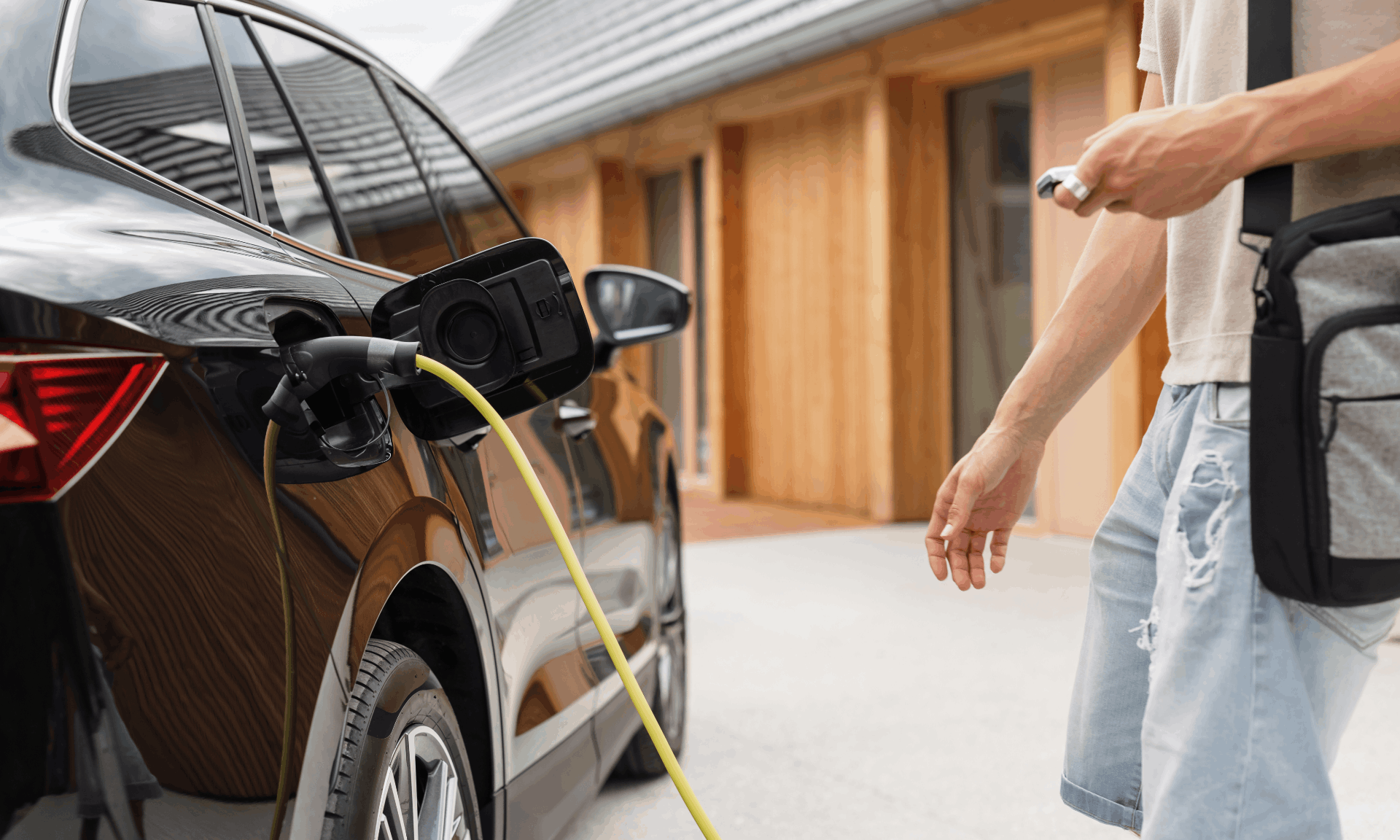
Ireland’s electric vehicle market has grown rapidly in recent years, particularly at the start of this year with electric being the most popular fuel type of January, yet a number of persistent myths still shape public perception.
At Nevo, we speak to drivers across the country all the time, and many of the same questions continue to surface. While it’s healthy to ask questions before making a big purchase, much of the concern surrounding electric cars is based on outdated information.
Here are some of the biggest EV myths in Ireland today, and the reality behind them.
Myth 1: EVs Don’t Have Enough Range for Irish Drivers
Range anxiety remains one of the most common concerns. In reality, the average daily commute in Ireland is well under 50 kilometres. Modern electric vehicles such as the Hyundai Kona Electric, Tesla Model Y, and Leapmotor B10 offer real-world ranges between approximately 350km and 550km on a full charge. Plus, newer models to the market such as the Volvo EX60 and Mercedes-Benz CLA delivering around 800km on a single change.
For most motorists, that means charging once or twice a week, often at home. Even longer journeys, such as Dublin to Cork or Galway, are easily manageable with a short rapid charging stop along the way. While range anxiety was a valid concern a decade ago, advances in battery technology have made it far less relevant for today’s drivers.
Myth 2: Ireland Doesn’t Have Enough Charging Infrastructure
Another common belief is that Ireland lacks sufficient public charging options. While infrastructure expansion has not always kept pace perfectly with demand, the network has grown significantly in recent years. The ESB eCars network continues to expand high-power charging hubs nationwide, while private operators are investing heavily in motorway and urban fast-charging sites.
It’s also worth remembering that over 80% of EV charging in Ireland happens with home charging. With a simple home wallbox installation, drivers can start each day with a fully charged vehicle, removing the need for regular charge station visits.
Myth 3: Electric Cars Are Too Expensive
Upfront cost is often cited as a barrier. While some EVs carry higher list prices than petrol or diesel equivalents, government supports such as the SEAI grant and VRT relief significantly reduce purchase costs.
When running costs are considered, electric vehicles often compare very favourably. Electricity is considerably cheaper per kilometre than petrol or diesel, and EVs have fewer moving parts, resulting in lower servicing and maintenance expenses.
Plus, newer, more affordable options are constantly coming to the market, with the likes of the BYD Dolphin Surf, Hyundai INSTER and Dacia Spring all coming with a start price of under €20,000.
Over a typical ownership period, many Irish drivers find the overall cost difference narrows, or even swings in favour of electric.
Myth 4: EV Batteries Only Last a Few Years
Battery lifespan is frequently misunderstood. Modern EV batteries are engineered to last the lifetime of the vehicle. Most manufacturers provide warranties of around eight years or 160,000 kilometres, and real-world data from Geotab shows that degradation tends to be gradual rather than dramatic, with most EVs retaining close to 90% of their original capacity after five years of driving.
Advances in battery chemistry and thermal management systems have significantly improved durability compared to early-generation electric cars. Plus, with the recent advancements in solid-state batteries from Donut Lab we could see faster charge times, longer ranges, and longer battery life in the near future.
For most owners, battery longevity is far less of a concern than it once was.
Myth 5: EVs Aren’t Really Better for the Environment
Some scepticism remains around the environmental benefits of electric vehicles, particularly regarding Ireland’s electricity mix.
While no vehicle is entirely impact-free, EVs produce zero tailpipe emissions and significantly lower lifetime emissions compared to internal combustion vehicles.
Ireland’s electricity grid is also becoming progressively greener, with wind energy playing a major role in generation. As the grid continues to decarbonise, the environmental performance of electric vehicles improves automatically over time.
The Reality of EV Ownership in Ireland
Electric vehicles are no longer niche or experimental. They are practical, increasingly affordable, and becoming a mainstream choice for Irish drivers.
As awareness grows and infrastructure continues to develop, many of today’s myths are gradually fading.
At Nevo, we believe informed decisions are built on facts, not assumptions. With clear information and real-world insight, making the move to electric becomes far less daunting, and far more exciting.