EV Myths vs Reality: 5 Things Irish Drivers Need to Know
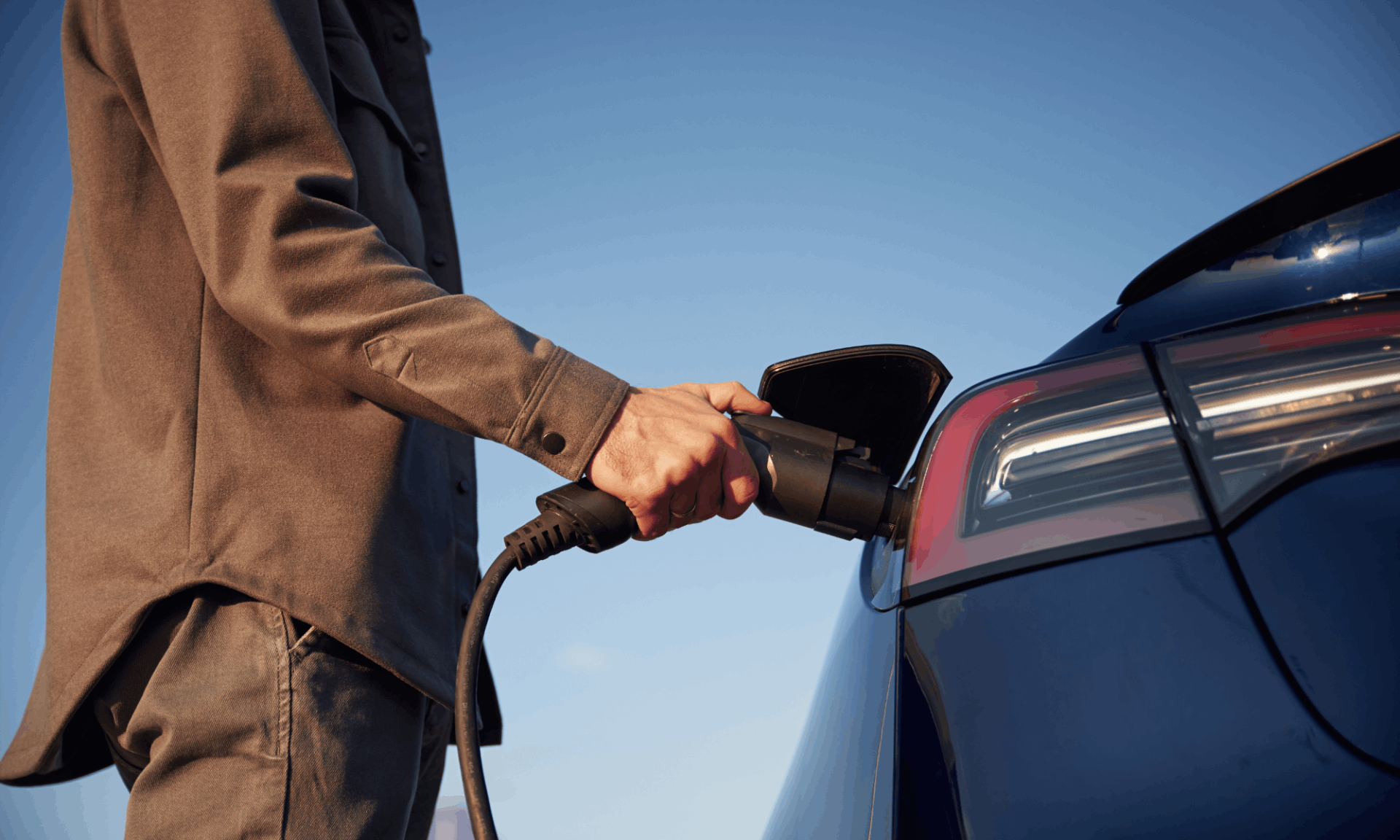
Despite becoming an increasingly common sight on Irish roads, a surprising number of myths still circulate around electric vehicles, and they're putting people off making a switch that, for many, would actually make a lot of sense.
So let's set the record straight on five of the most persistent ones.
Battery life is shorter than you'd think - or is it?
This is one of the most common concerns, and one of the least grounded in reality. Today's EV batteries are engineered for the long haul, with many comfortably exceeding 300,000 kilometres in real-world use. Manufacturers typically offer warranties of around 8-10 years or 160,000 km - and the data suggests batteries often outperform those benchmarks. Some gradual degradation does occur over time, but it's rarely noticeable in day-to-day driving, and plenty of EVs from a decade ago are still going strong.
Long journeys aren't realistic in an EV
This one made sense a few years back. It doesn't anymore. The majority of new electric cars now offer more than 300km of range per charge, with several models pushing well past 500km. Fast-charging infrastructure has grown substantially, and most modern EVs include built-in route planners that incorporate charging stops automatically. Road trips in an EV aren't just possible - drivers who've made the switch tend to find them surprisingly straightforward.
EVs are too expensive for most people
The upfront cost of electric vehicles has been a genuine barrier, but the gap is closing quickly. Battery production costs have dropped sharply over the past decade, and a new wave of competitively priced models - several coming in under €200 per month- is broadening access considerably. Factor in lower fuel and maintenance costs, reduced road tax, and available government grants, and the total cost of ownership frequently works in the EV's favour.
Maintaining an EV is complicated
In practice, the opposite tends to be true. Electric vehicles have far fewer moving parts than petrol or diesel cars - no oil changes, no timing belts, no exhaust system makes maintenance pretty staightforward. Brake wear is also reduced thanks to regenerative braking. Routine servicing typically covers tyres, brake fluid, and cabin filters. For many owners, it's one of the most welcome surprises of EV ownership.
There still aren't enough places to charge
Charging infrastructure has expanded significantly, and continues to do so. Public charge points are now spread across cities, towns, motorways, and rural areas, with rapid and ultra-rapid chargers increasingly available at service stations and rest stops. For most drivers, though, home charging remains the default: plug in overnight, start the day fully charged.
The bigger picture
Caution around new technology is natural, but the evidence around electric vehicles is becoming hard to ignore. They're reliable, increasingly affordable, practical across a range of journey types, and simpler to run than many expect. The team at Nevo has tracked this space closely, and the direction of travel is clear - the growth in EV adoption is growing steady across Ireland, and the momentum isn't slowing.