Home EV Charging in Ireland: Costs, Grants & Installation Explained
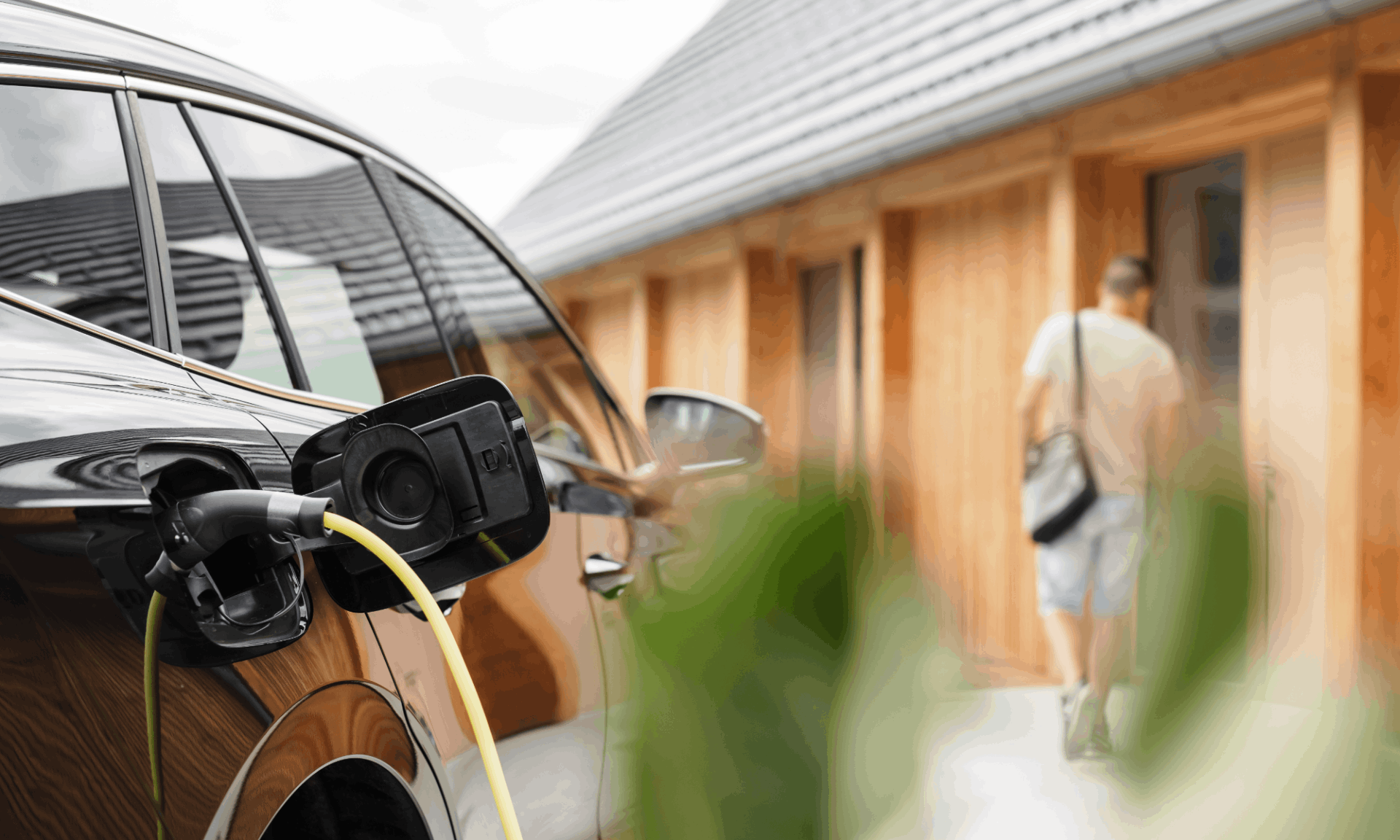
Charging your electric vehicle at home isn’t just convenient, for most Irish drivers, it’s the simplest and most cost-effective way to own an EV.
With access to lower night-rate electricity, government supports, and the luxury of waking up every morning to a “full tank”, home charging takes much of the uncertainty out of going electric. Here’s what you need to know before getting set up.
What Does It Cost to Charge an EV at Home?
The biggest advantage of home charging is cost control.
Most Irish energy providers, including Bord Gáis Energy, Electric Ireland, Energia and SSE Airtricity, offer EV or night-rate tariffs with significantly reduced prices during off-peak hours, typically in the early hours of the morning.
Charging overnight can dramatically reduce your cost per kilometre. In many cases, night-rate electricity can be close to half the price of daytime rates, and much cheaper than relying on public chargers. Compared to petrol or diesel, the savings quickly become noticeable.
Over time, those lower running costs can help offset the initial expense of installing a home charger.
Choosing the Right Home Charger
For most homes, a 7.4kW wall-mounted charger (often referred to as a Level 2 charger) is the sweet spot.
While you can technically charge from a standard three-pin socket, a dedicated wallbox is faster, safer for long-term use, and far more convenient. Modern smart chargers allow you to schedule charging during off-peak hours, track energy usage and optimise efficiency through a companion app.
Most EVs in Ireland use a Type 2 connector, but it’s always worth confirming compatibility before installation.
What to Expect During Installation
Getting a home charger installed is usually straightforward when handled by a qualified electrician.
The process begins with a site assessment to determine the best and safest location for the charger. Your home’s electrical system will be checked to ensure it can manage the additional load, and in some cases minor upgrades may be required. Once installed, the system is tested and any smart charging features are set up.
To qualify for the SEAI Home Charger Grant, the installation must be completed by a Safe Electric Ireland registered electrician.
How Long Does It Take to Charge?
With a 7.4kW charger, most EVs will fully charge in roughly 6 to 12 hours, making overnight charging ideal.
In practice, most drivers don’t arrive home empty and don’t need a full charge every night. Plugging in for a few hours during cheaper night-rate windows is often more than enough. Avoiding regularly running the battery down to zero and using scheduled charging features will help maintain both efficiency and battery health.
Before long, charging becomes as routine as plugging in your phone before bed.
Grants and Supports Available in Ireland
There are several incentives currently available to help make EV ownership more affordable.
The SEAI Home Charger Grant offers up to €300 towards the cost of installation. On the vehicle side, buyers may qualify for up to €3,500 through the EV Purchase Grant, along with VRT relief of up to €5,000 on eligible electric cars.
Combined with lower day-to-day running costs, these supports significantly reduce the overall cost of switching to electric.
(As always, it’s worth checking SEAI.ie for the latest grant amounts and eligibility details.)
For many Irish drivers, once home charging is in place, it’s hard to imagine going back to fuel stations. It’s simple, predictable, and puts you in control of your energy costs, which is exactly what EV ownership should feel like.