How to Get a Home EV Charger Installed in Ireland: A Step-by-Step Guide
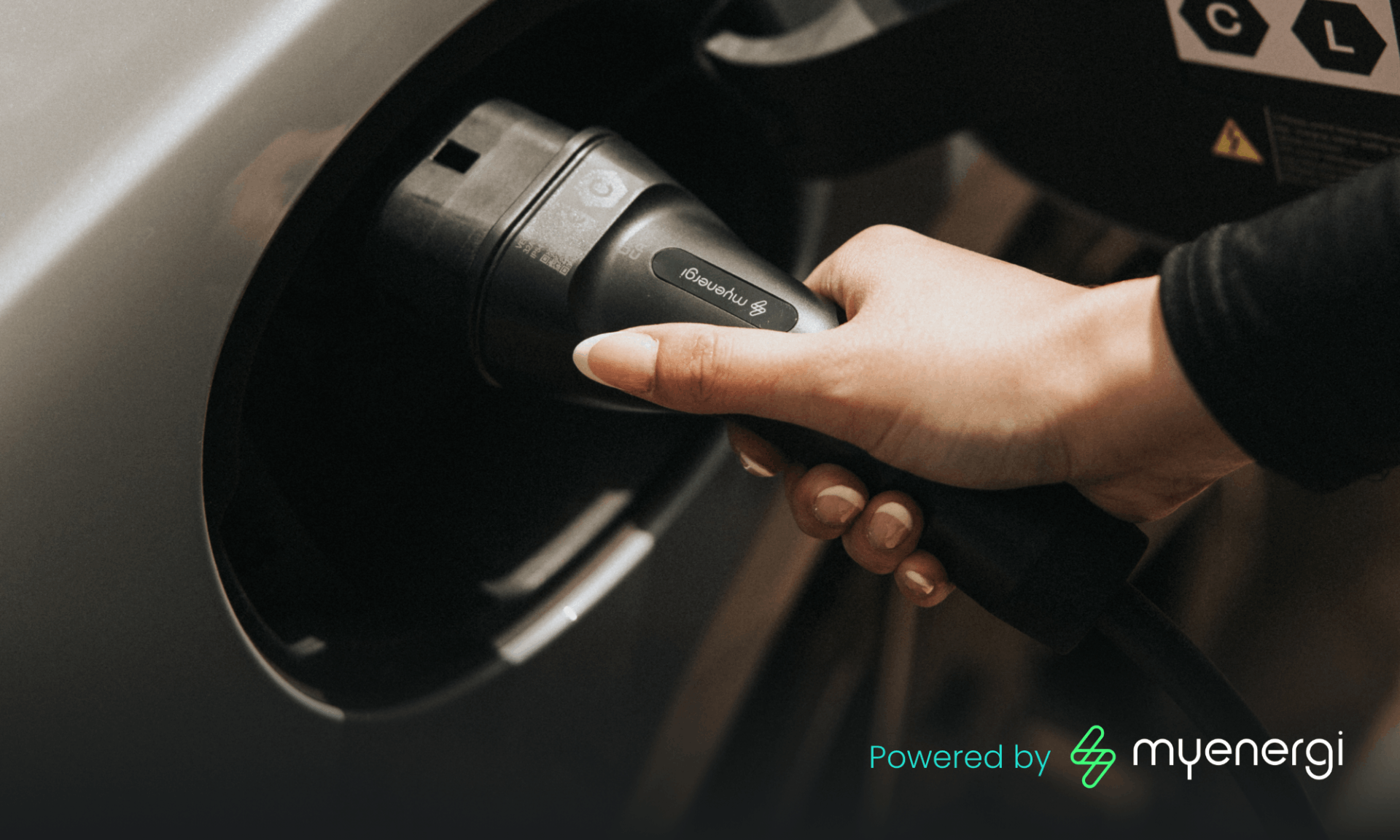
For most people, buying an electric car and installing a home charger go hand in hand. It's the single most practical upgrade you can make as a new EV owner, and thanks to the SEAI grant, it's more affordable than many expect. Here's how the whole process works, from start to finish.
What Is a Home EV Charger and Do You Need One?
A home EV charger, or wallbox, is a dedicated charging unit installed on your wall, garage or driveway. While you can technically charge using a standard three-pin plug, it's not a practical long-term solution. A regular socket delivers around 2.3kW, meaning a full charge can take 24 hours or more. A 7kW wallbox cuts that to 6 to 10 hours. For anyone driving regularly, it's a necessity rather than a luxury.
How to Apply for the SEAI Home Charger Grant
The SEAI offers a grant of up to €300 towards the purchase and installation of a home charger. To be eligible you'll need a BEV or PHEV, off-street parking, and a smart charger installed by an SEAI-registered installer.
The good news is that most installers, including those in the myenergi installer network, handle the grant application on your behalf. It's deducted from your final bill, so there's very little paperwork on your side. For full eligibility details, myenergi's grant guide for Ireland is a handy reference.
Choosing the Right Charger for Your Home
For most Irish homes, a 7kW single-phase smart charger is the right choice. Beyond power output, the key decisions are tethered vs untethered, and whether you want solar integration.
If solar compatibility is a priority, the myenergi zappi is Ireland's best-selling solar-compatible charger, it automatically diverts surplus solar energy to your car rather than sending it back to the grid. For a clean, screen-free design with full app control, the newer myenergi zappi GLO is worth considering. Both are SEAI grant eligible.
What to Expect on Installation Day
A typical installation takes two to four hours with minimal disruption. Your installer mounts the unit, wires it back to your consumer unit, tests everything and hands over the certification paperwork needed for the grant. Most will also set up the app and walk you through scheduling your first charge before they leave.
What Happens After Installation?
Once your charger is up and running, the day-to-day reality of home charging is remarkably simple. You pull up, plug in and let the charger do the rest, most drivers set a schedule once and never think about it again.
From there, it's worth taking a few minutes to explore the full capabilities of your charger through the app. The myenergi app lets you monitor your energy usage, adjust your charging schedule, track your savings over time and manage your charger remotely, all from your phone.
Most drivers say the same thing after their first few weeks of home charging, they can't imagine going back. The convenience of waking up to a full battery every morning, combined with the cost savings over public charging, makes it one of the most straightforward upgrades an EV owner can make.