Public EV Charging Made Simple: A First-Month Guide for Irish Drivers
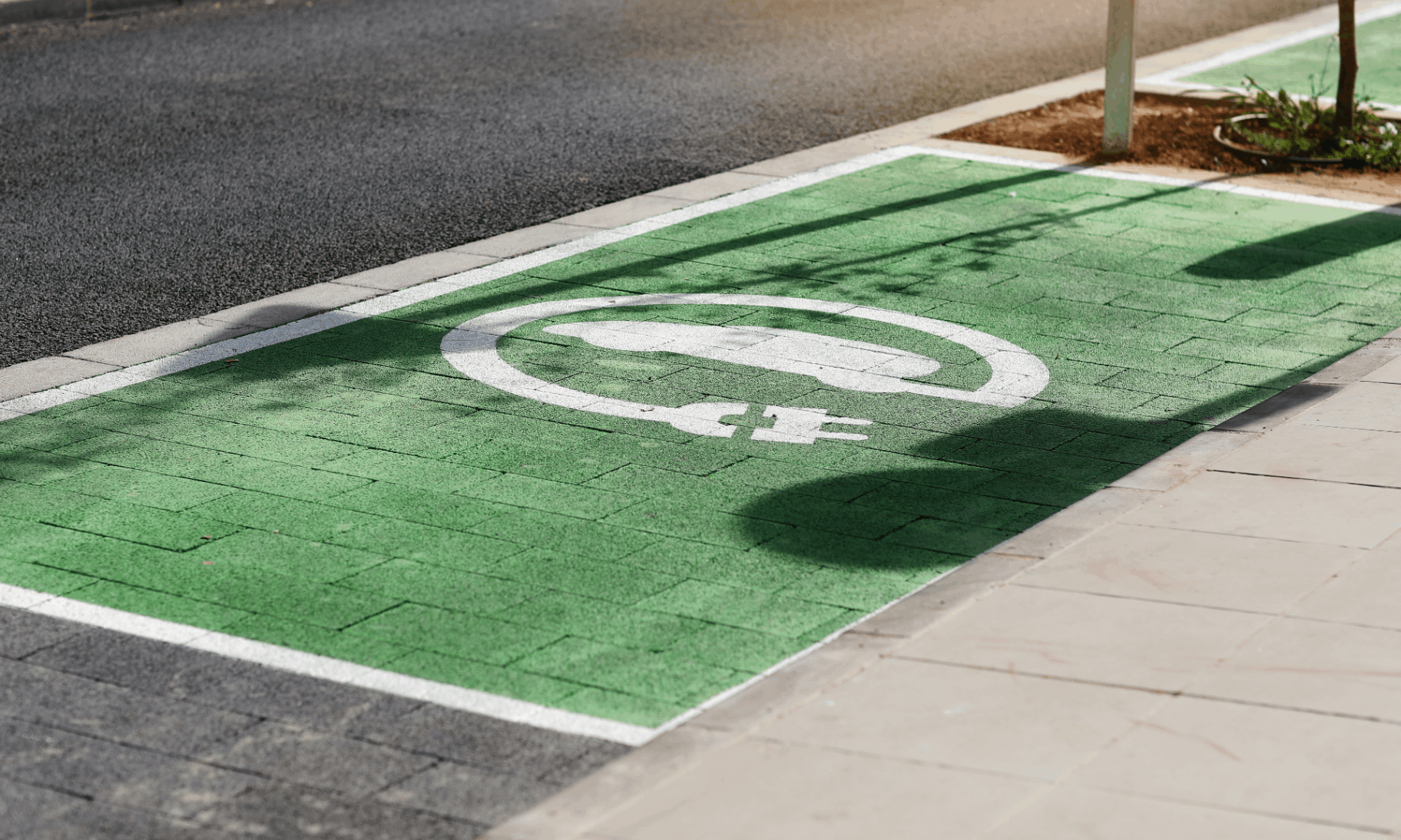
Public charging can feel intimidating during your first few weeks of EV ownership, but it quickly becomes routine once you understand how it all fits together. Here’s what we at Nevo recommend focusing on during your first month to help you build confidence fast.
Choosing the Right Public Charger for Your Journey
Not all chargers are created equal, and choosing the right one can save both time and stress.
For short top-ups while shopping or grabbing a coffee, slower AC chargers (typically 11–22kW) are ideal. They’re widely available and work perfectly when you’re parked for an hour or more.
For longer journeys, DC fast chargers are the better option. These range from 50kW units to ultra-fast chargers delivering 150kW and beyond.
The key thing to remember is your car’s maximum charging speed. Plugging into a charger that’s faster than your EV can accept won’t reduce charging time. Early on, it’s worth checking your vehicle’s specifications and planning around them.
How to Avoid Queues at Busy Charging Locations
Queues are one of the biggest concerns for new EV drivers, but a little planning goes a long way. Busy motorway charging hubs tend to peak on Friday afternoons, Sunday evenings, and holiday weekends. Charging slightly earlier or later than these times can make a noticeable difference.
Use live charger availability in apps before you arrive, and always have a Plan B. Often, a charger just five to ten minutes off the motorway will be quieter and just as effective.
Experienced EV drivers know that flexibility almost always beats frustration.
Paying for Public Charging Without the Stress
Nothing knocks confidence like struggling with payment at a charger, so preparation is key.
We recommend downloading the key charging apps, including ESB ecar connect, EZO, IONITY, PlugShare, and Zapmap, and exploring others that align with your driving habits. Add your payment details in advance, and test a local public charger early on to get your bearings. Many networks now support contactless card payments, but apps often offer better pricing and clearer session information.
Having two or three payment options set up ensures you’re never stuck if one system is temporarily unavailable.
Understanding Ireland’s Main Charging Networks
Ireland’s public charging network is improving rapidly, and each provider offers something slightly different.
- ESB chargers are widespread and well suited to everyday driving and regional routes.
- IONITY focuses on ultra-fast motorway charging, making it ideal for long-distance travel.
- Circle K combines fast charging with convenient facilities, perfect for longer stops or meal breaks.
- Tesla Superchargers, now increasingly open to non-Tesla vehicles, are known for reliability and ease of use, though access and pricing can vary by vehicle.
Part of the first-month experience is learning which networks best suit your driving habits.
EV Charging Speeds Explained: What Is a Charging Curve?
One concept that often surprises new EV drivers is that charging doesn’t happen at a constant speed.
Your EV typically charges fastest when the battery is low, usually between 10% and 50%. After that, the charging speed gradually slows to protect the battery. This means charging from 10% to 80% can take a similar amount of time as charging from 80% to 100%.
For public charging, the sweet spot is often a quick boost to 70–80% before moving on. It’s faster for you and more considerate to other drivers.
Nevo Advice: Building Confidence With Public Charging
During your first month, try to practise public charging rather than relying on it only when you’re under pressure. Experiment with different networks, learn how your car behaves at different charge levels, and get comfortable using the apps.
Before long, public charging becomes a useful tool rather than a source of anxiety. Like most things EV-related, confidence builds quickly once experience kicks in. If you want to learn more about navigating charging and EV ownership, be sure to check out our bank of helpful articles.
As always, from all of us at Nevo, happy motoring.