The 80% EV Charging Rule: Still Relevant in 2026?
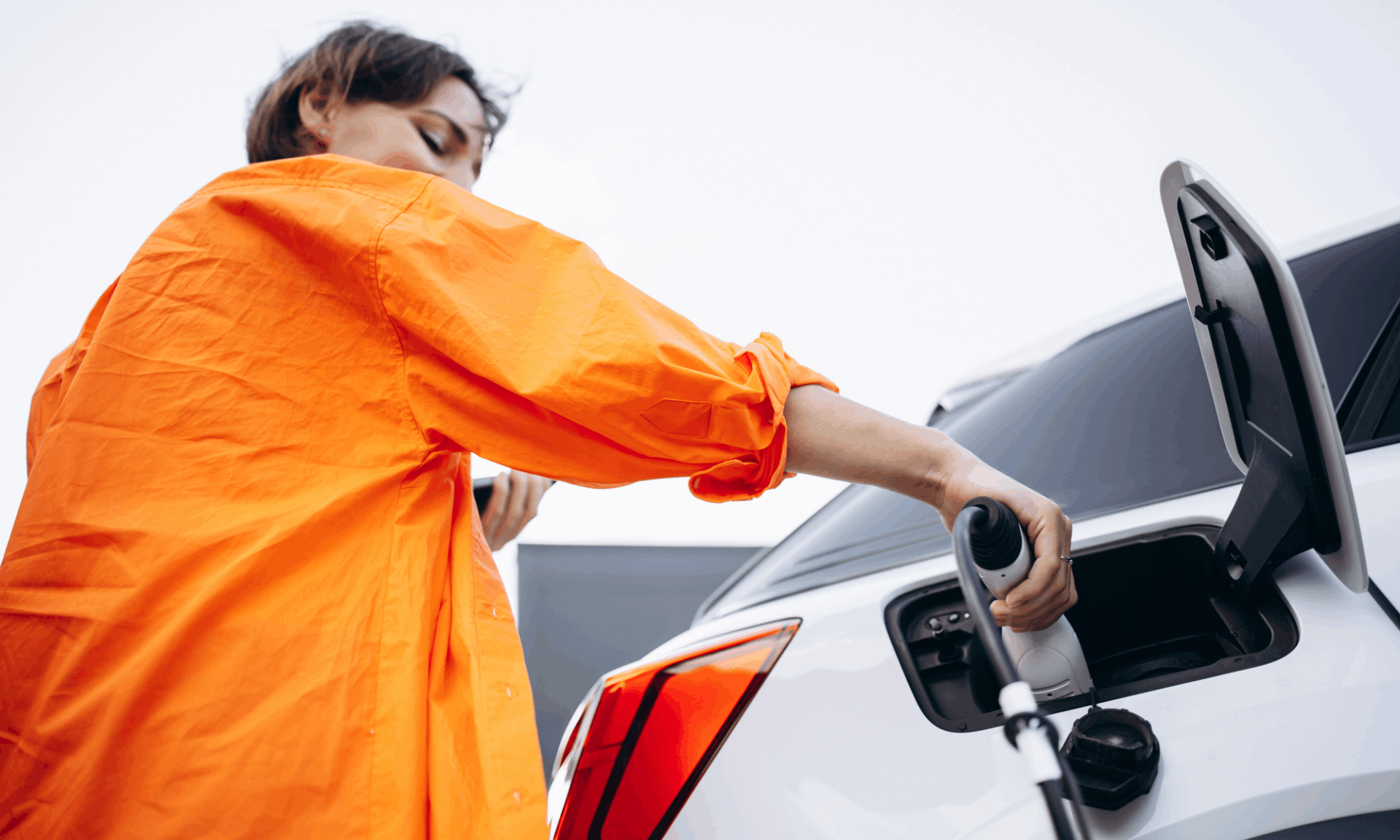
If you own an electric car, chances are you've heard the advice: "only charge to 80 per cent." It's one of the most repeated EV tips out there, but in 2026, the reality is far more nuanced.
Why the 80% Rule Exists
The advice comes from how lithium-ion batteries behave. Like a phone or laptop battery, EV batteries generally prefer to avoid long periods at either extreme of their charge range. Keeping a battery constantly at 100%, especially in hot weather, can accelerate long-term degradation. Repeatedly running it to zero isn't ideal either.
How EV Battery Technology Has Changed
In the early years of EV ownership, the 80% rule made sense, battery management systems were less advanced and public charging networks were still developing. Today, modern EVs from brands such as Tesla, Hyundai, Kia, BMW and Volkswagen use far more sophisticated systems that actively manage temperature, charging speed and battery buffers to protect long-term health.
When It's Fine to Charge to 100%
Charging to 100% for a long journey is absolutely fine, carmakers design their vehicles to do this. The key is frequency and timing. Charging to 100% just before a road trip is very different from charging fully every night and leaving the car sitting for days.
The Best Charging Habit for Daily Driving
For everyday commuting, the original advice still has merit. If your weekly driving only uses a fraction of the battery, setting a charge limit between 70–80% can help reduce long-term wear while still providing plenty of range. Most modern EVs let you set this limit easily through the infotainment system or a smartphone app.
LFP vs. Lithium-Ion: Does Battery Type Matter?
Not all EV batteries are the same. Some newer models use LFP (lithium iron phosphate) batteries, which are more tolerant of regular full charging, some manufacturers even recommend it for calibration. Nickel-based batteries, on the other hand, may benefit more from the traditional 80% approach. Always check the guidance for your specific model.
Why Rapid Charging Stops at 80%
On motorway journeys, many drivers stop at 80% when rapid charging, but this is usually about speed, not battery health. DC fast charging slows significantly between 80–100% to protect the battery, so charging from 10–80% is typically the fastest and most efficient approach for long-distance travel.
The Verdict from Our EV Experts
The 80% rule isn't a myth, but it's no longer a strict one-size-fits-all guideline. Here's our simple advice:
· Use 70–80% for regular daily driving
· Charge to 100% when you need the range
· Use rapid charging strategically on long journeys
· Trust the technology, today's EV batteries are smarter and better protected than ever